
Bloomberg Predicts the Naira's Strongest Year Since 2018; Here's What's Behind It
Bloomberg surveyed four analysts and forecasts the naira closing 2026 at ₦1,290/$1 (up from ₦1,328.92/$1); a near-12% annual gain, its strongest since at least 2018. The optimism is driven by record-high external reserves ($53.9B, an 18-year high), strong oil revenue, and rising remittances. But it's not unanimous — Coronation Research projects the opposite, expecting the naira to weaken to ₦1,400/$1 by H2 2026, while other models land somewhere in between (~₦1,313 average). The post explains what this means for everyday Nigerians (import costs, remittances, purchasing power), notes that even expert forecasters disagree meaningfully here, and ties it to Moyrad's live market where people can trade their own view on which forecast proves right.
What Bloomberg Is Saying:
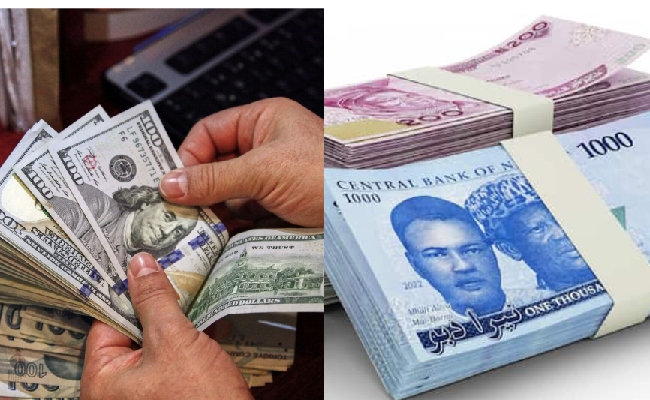
Bloomberg surveyed four analysts and found an average forecast of ₦1,290 per dollar by the end of 2026, up from ₦1,328.92/$1. If that forecast holds, it would extend the naira's year-to-date gain of 8% to almost 12% for the full year — the currency's strongest annual performance since at least 2018.
For context, a currency "strengthening" means it takes fewer naira to buy one dollar. So a move from ₦1,328.92 to ₦1,290 would mean the naira is buying more value than it did at the start of the year — a reversal of the depreciation trend that's defined much of the last few years.
What's Driving the Optimism:
A few factors are being cited as the backbone of this bullish outlook:
External reserves at an 18-year high — Nigeria's foreign reserves currently sit at $53.9 billion, giving the Central Bank more room to defend the currency and meet dollar demand.
Strong oil revenue — with oil still a major foreign exchange earner for Nigeria, sustained output and pricing have helped shore up dollar inflows.
Rising remittance inflows — money sent home by Nigerians abroad has continued to grow, adding another steady source of dollar liquidity into the economy.
Not Everyone Agrees
Here's where it gets interesting: Bloomberg's own panel isn't the only voice in the room, and not all forecasts point the same direction.
Coronation Research, for instance, has taken the opposite view — projecting the naira could actually weaken to around ₦1,400/$1 in the second half of 2026, citing gradual depreciation risk. Meanwhile, other models (like CoinCodex's) land somewhere in between, projecting a 2026 average closer to ₦1,313.
So depending on who you ask, the naira's trajectory for the rest of the year looks meaningfully different — which is exactly the kind of real, unresolved uncertainty that makes for a genuinely interesting question to have a view on.
Why This Matters:
For everyday Nigerians, currency movements aren't abstract — they show up in the price of imported goods, the cost of foreign tuition or medical bills, remittances from family abroad, and how far a naira salary stretches. A swing of over ₦100 between the bullish and bearish forecasts is a meaningful difference in real terms.
It's also a reminder that even well-resourced institutions and analysts don't always agree on where the economy is headed — forecasting is inherently uncertain, and the "consensus" figure often masks a real spread of opinion underneath.